

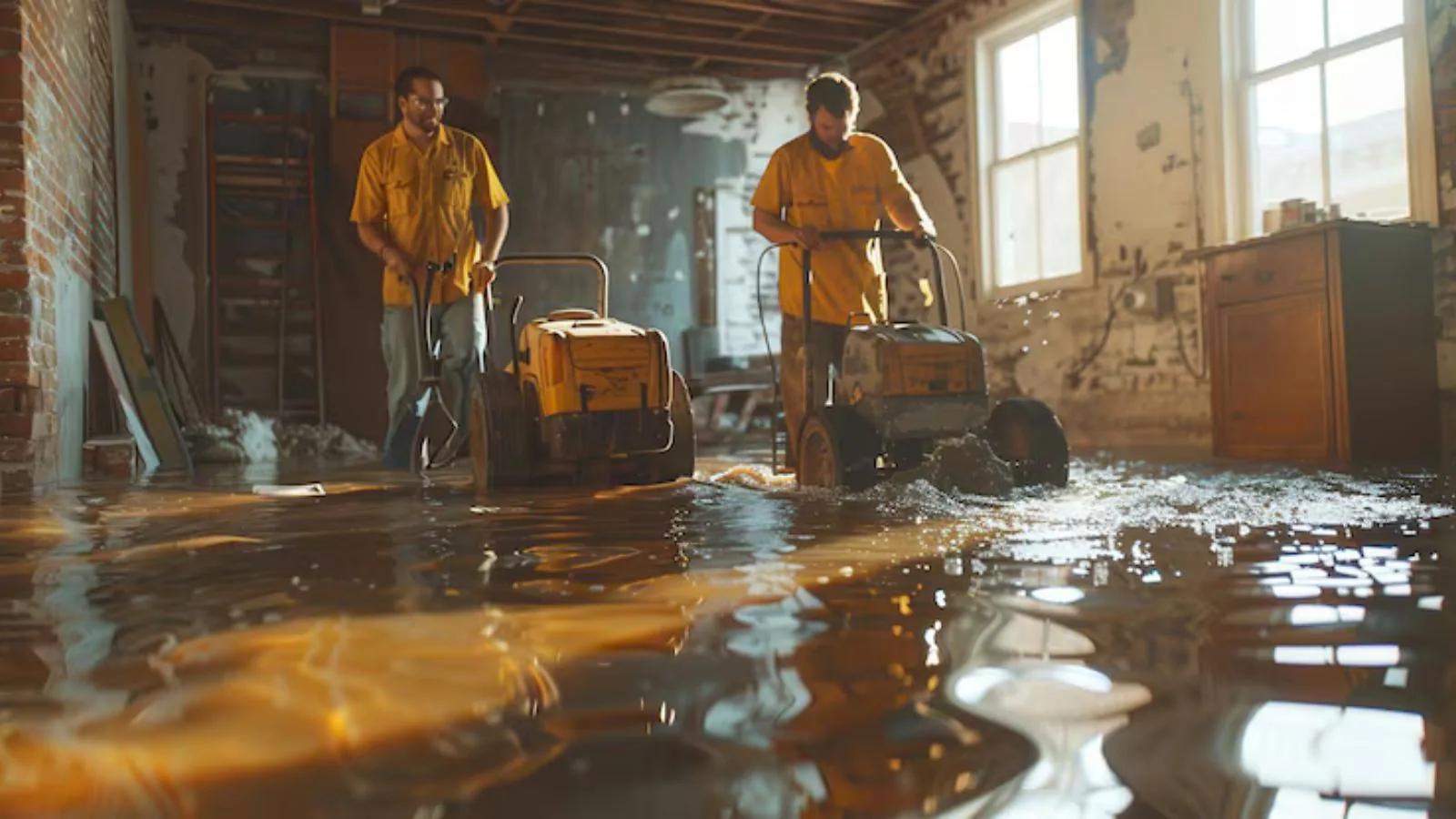
Water extraction means pulling the water out first
Water extraction is the removal of standing and pooled water from floors, carpet, pad and low areas before drying begins. If your Dunedin home or shop has water you can see, this is the first job, and it is the one that decides how much of the building can be saved. Emergency water removal comes before any rebuild talk.
We run a 24/7 emergency line, so a call at 2 a.m. gets the same attention as a call at noon. Tell the dispatcher how deep the water is, what room it is in, and whether the source is stopped. That is enough to send the right pumps and extraction units.
When standing water is an emergency
Water that stays on carpet, pad or a wood floor soaks into whatever it touches. It wicks up drywall, swells baseboards and carries dirt into every seam. In a humid Gulf coast climate like Dunedin's, wet materials also stay wet longer, which gives mold a better chance to start.
The U.S. Environmental Protection Agency advises drying wet materials within 24 to 48 hours to prevent mold growth. That window is why this line answers at night, on weekends and on holidays, and why the first call matters more than the first estimate.
Before help arrives
If it is safe to do so, these steps limit the damage while an extraction crew is on the way.
Stop the source
Close the shutoff valve on the leaking fixture, or the main water valve if you cannot find the source. A rising pool means water is still coming in.
Keep power out of the water
If water has reached outlets, cords or the panel, do not step in it. Cut power only if you can reach the panel while standing on dry ground, and call the utility or 911 for any sparking or gas smell before you call us.
Lift what you can
Move small furniture, rugs and boxes onto dry surfaces. Pull electronics and papers up high. Do not lift heavy items alone.
Keep people and pets out
Floodwater can carry contamination, and wet floors are slippery. Stay out of any water that smells like sewage or came from outside.
Which extraction method fits the job
Crews pick equipment by how much water there is and what the floor is made of. This is the general logic.
| Situation | Equipment | What it does |
|---|---|---|
| Shallow water on hard floors | Submersible pump, squeegee, wet vacuum | Clears pooled water quickly so floors and baseboards can be checked. |
| Soaked carpet and pad | Weighted extraction wand, truck-mounted or portable extraction unit | Pulls water out of fibers and pad, which a household vacuum cannot do. |
| Deep water in a garage or low room | Submersible pump with hose to a safe discharge point | Moves large volumes first, then finishes with extraction units. |
| Water behind baseboards | Injection and extraction tools after moisture readings | Draws trapped water from wall bottoms before drywall stays wet. |
Water still spreading?
Call now and describe what you see. The line is open 24/7.
What happens after the water is out
Extraction removes the water you can see. It does not dry the building. Moisture stays inside drywall, subfloors and framing, and only measured drying will bring those materials back to normal readings.
Once the standing water is gone, crews take moisture readings and set air movers and dehumidifiers. That second phase is covered on our structural drying and dehumidification page. If the water came from outside, the flood damage cleanup page explains the added safety steps.
What shapes the cost of water extraction
No honest company can name a number before it sees the water. These are the real cost factors.
- Water categoryClean supply water costs less to handle than gray water or contaminated water, which needs added protection and disposal.
- Depth and square footageMore water and more affected floor area mean more equipment and more labor hours.
- Materials involvedCarpet and pad can often be extracted and dried. Soaked insulation or pad may need removal.
- Access and hoursAfter-hours calls and tight access change how a job is staffed.
- Drying scope that followsExtraction is usually the start. Drying days and equipment are priced after readings.
Insurance often covers sudden and accidental water, such as a pipe that burst this morning, and often does not cover slow leaks or neglect. Flood damage is usually excluded from a standard homeowners policy and needs separate flood coverage. Check your policy and ask your insurer.
We explain the scope and price before work starts. Want your real number? Call the line.
Extraction in Dunedin homes
Many Dunedin properties sit close to the water, from the Edgewater Drive waterfront to the streets near the Dunedin Marina on St. Joseph Sound. A heavy rain or a surge can leave water at slab level, and extraction has to start before it wicks into drywall.
The City of Dunedin has pointed property owners to its Permits and Inspections page for storm recovery information. If your water damage involves structural repair, ask the city building department what applies to your address.
When extraction is only the first step
Pumping out the water is the first job, not the last. Once the standing water is gone, the building still holds moisture, and structural drying finishes the job. If the water came from a split line, the burst pipe page explains the source, and a storm or rising water is handled on the flood damage page.
Water extraction questions in Dunedin
Yes. The line is open 24/7, including nights, weekends and holidays. Call, describe where the water is, and we send a crew when one is available for your address.
A household wet vacuum can help with a small spill on a hard floor. Soaked carpet, pad and wall bottoms hold water that a vacuum will not reach. Never use a standard vacuum near standing water if outlets or cords are wet.
No. Extraction removes liquid water. Drying removes moisture held inside materials, which takes air movers and dehumidifiers over several days.
Share the room, the source if you know it, how deep the water is, whether it is clear or dirty, and whether any outlets are wet. A short, plain description is enough.
Sometimes. Clean water caught early often lets carpet be saved, while the pad underneath may need replacing. Contaminated water usually means removal. The crew checks on site.