

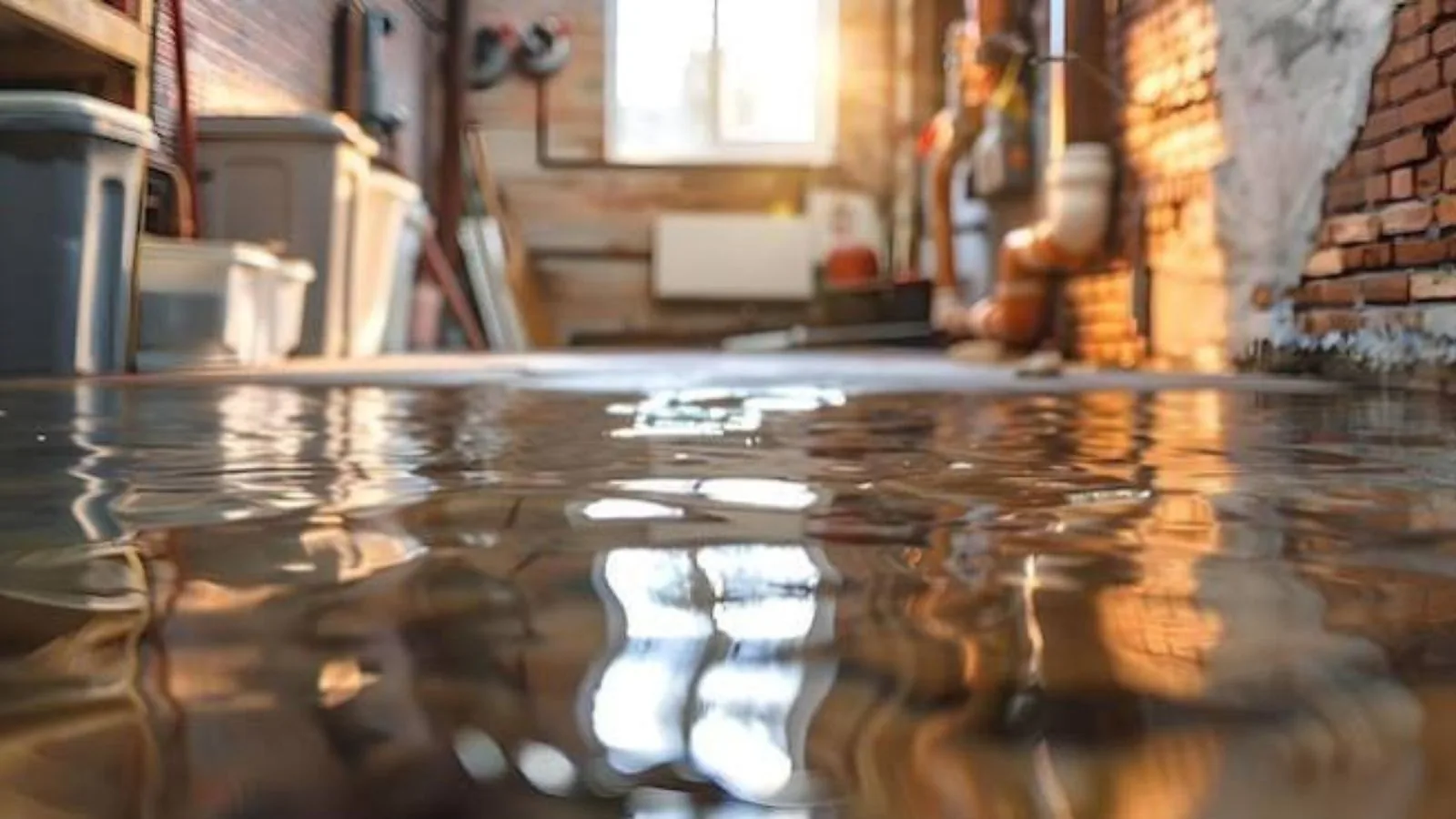
What flood damage cleanup covers
Flood damage restoration deals with water that enters a building from outside or rises from the ground. That includes surface flooding, storm surge, overflowing drainage and groundwater that pushes through a slab. The water is usually not clean, which changes how crews work and what can be saved.
This page covers rising and outside water. A plain roof leak is handled on the ceiling water damage page, and storm damage through the building shell is on the storm water damage page.
When floodwater is an emergency
Floodwater is an emergency from the first inch. It can carry bacteria, chemicals and debris, and it soaks into drywall, insulation and carpet quickly. It also hides electrical hazards.
Dunedin sits on St. Joseph Sound, and the City of Dunedin explains that its floodplain rules depend on the FEMA flood zone for each property. After the 2024 storm season the city began assessing damaged structures under FEMA requirements. If your home took on water, check your address on the FEMA Flood Map Service Center and ask the city building department what applies.
If floodwater is in your home
Safety comes before cleanup.
Stay out of the water
If power is on, assume the water can be energized. Do not wade through it to reach the panel.
Call the utility or 911 first for electrical or gas risk
A sparking outlet, a gas smell or a submerged panel is a utility and emergency call before it is a cleanup call.
Protect yourself
Wear boots and gloves if you must enter. Avoid contact with floodwater and wash after any exposure.
Document before moving things
Photograph water lines on walls and damaged contents for your insurer.
Water categories and what they mean
Restoration standards sort water into three categories. The category sets the safety steps.
| Category | Typical source | What happens |
|---|---|---|
| Category 1 | Clean supply water, such as a broken line | Extraction and drying. Materials are often saved. |
| Category 2 | Gray water, such as appliance discharge or some storm intrusion | Extraction, cleaning and a closer look at porous materials. |
| Category 3 | Sewage, rising floodwater, water from outside | Containment, removal of porous materials, disinfection and drying. |
Rising floodwater from outside is generally treated as Category 3. The published standard ANSI/IICRC S500 describes these categories, and you can ask any company whether its crews work to it.
Flooded and unsure what to do?
Call now. The 24/7 line is open and a dispatcher will walk you through the first steps.
What cleanup looks like
Crews start with safety, then pump and extract the water. Porous materials that sat in contaminated water, such as carpet pad, insulation and soaked drywall, are often removed and discarded rather than dried. Hard surfaces are cleaned and disinfected.
Drying follows with air movers, dehumidifiers and moisture meters. If sewage is involved, the sewage backup cleanup page covers the added safety steps. Drying is described on the structural drying page.
What changes the price of flood cleanup
Flood jobs vary more than most, so the factors matter.
- Water categoryCategory 3 water adds containment, protective gear and disposal.
- Depth and durationDeeper water that sat longer reaches more materials.
- Square footageFloor area sets extraction and equipment counts.
- Materials removedPad, insulation and drywall that cannot be saved are removed and later replaced.
- Drying daysEquipment time is set by measured moisture readings.
Flood damage is usually excluded from standard homeowners insurance and needs separate flood coverage. Sudden water from a burst pipe is treated differently. Check your policy and ask your insurer before assuming either way. We explain scope and price before work starts.
Neighborhood pages for flood and surge questions
Flooding looks different from street to street. The Baywood Shores page summarizes what the City of Dunedin and local news documented after Hurricanes Idalia and Helene.
Flood damage questions in Dunedin
Yes. The line is open 24/7. Call from a safe dry spot and tell us how deep the water is.
Treat it as contaminated until proven otherwise. Outside water can carry sewage, chemicals and bacteria.
Carpet pad that sat in floodwater is usually discarded. The carpet itself is sometimes cleaned and dried if it is in good condition, but contaminated water often means replacement.
Use the FEMA Flood Map Service Center, which the City of Dunedin links to on its floodplain page. Ask the city building department how the zone affects repairs.
The City of Dunedin describes a FEMA 50 percent rule for improvements and repairs in A and V flood zones. Ask the city building department whether it applies to your property.
Floodwater in Dunedin neighborhoods
Properties near the Dunedin Marina, along Edgewater Drive and close to Curlew Creek Park may sit in different flood zones than homes farther inland. The zone is address-specific, so check it before repair decisions.
The City of Dunedin has said that building permits were issued for most flood-damaged structures and that owners without required permits would receive notice and extra time. Ask the city building department about your repair permit.