

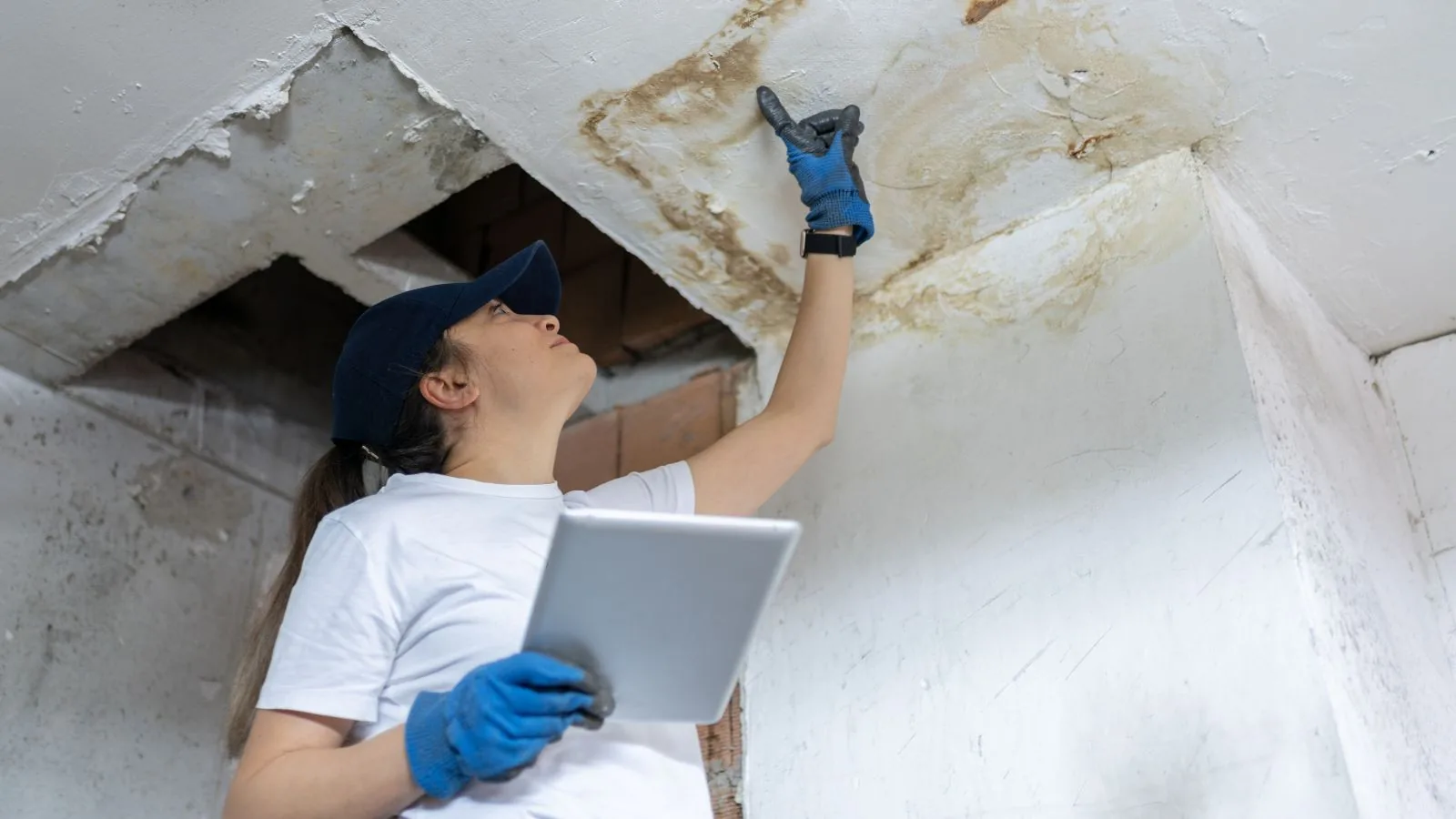
Commercial water damage is a business problem as well as a building problem
A leak in a home is a household disruption. A leak in a store, office or apartment building stops revenue, displaces tenants and raises liability questions. Commercial water damage restoration has to move quickly and document everything, because the property manager, the owner and the insurer all need records.
This page covers businesses and multi-unit buildings in Dunedin. For a single-family home, start with the page that matches the source, such as burst pipes or water extraction.
When a commercial water loss is an emergency
Call right away if water is moving through ceilings, across a sales floor, into a server closet or through shared walls. The 24/7 line is open at night, on weekends and on holidays, which matters because commercial leaks often start after closing.
Shut off water to the affected area if you can, protect inventory and records, and keep staff and customers out of wet areas. Call the utility or 911 for any electrical or gas risk before you call us.
First steps for a business
These steps limit the loss while a crew is on the way.
Stop the source
Close the shutoff for the fixture or the building main. Tell the property manager if the source is in a shared area.
Protect inventory and records
Lift stock off the floor, cover shelving and move papers and electronics up high.
Keep people safe
Close wet areas to staff and customers. Wet floors are a slip risk.
Document
Photograph and video everything. Keep lists of damaged stock and equipment.
Why records matter on a commercial loss
Commercial claims are won on documentation. Ask for dated photos, the moisture readings from each visit, a list of removed materials and the equipment log. These show the insurer how far the water spread and how long drying took.
Keep a running list of damaged stock, furniture and equipment, with purchase information where you have it. If tenants or neighbors are affected, keep a written record of who was notified and when.
Water in your building?
Call now. A dispatcher can help plan the response.
Common commercial scenarios
The building type changes the response.
| Property | Typical problem | Special concern |
|---|---|---|
| Retail or restaurant | Supply line or drain failure | Inventory, food safety and reopening. |
| Office | Ceiling leak or roof intrusion | Records, equipment and tenants. |
| Multi-unit building | Water passing between units | Several occupants and shared walls. |
| Medical or service space | Plumbing failure | Equipment, cleanliness and downtime. |
Working with the property manager and your insurer
A commercial loss usually involves more people. A lease can set who is responsible for which repairs. The building's policy and the tenant's policy may each apply. Photos, moisture readings and a written scope help all parties understand what happened.
We explain the scope and price before work starts. If a loss involves a landlord and a tenant, each should read their own lease and policy. Questions about who pays are for the lease, the insurer and a lawyer.
What drives commercial restoration costs
Commercial jobs vary widely.
- Square footageLarge floor areas need more equipment.
- Building materialsConcrete, carpet tile, drywall and ceiling tiles respond differently.
- Water categoryClean water costs less than contaminated water.
- Access and hoursWorking around business hours is a scheduling cost.
- Drying timeSet by readings.
Commercial property policies differ from homeowners policies. Sudden water losses are often covered, and slow leaks often are not. Business interruption is a separate coverage. Check your policy and ask your insurer.
Related pages for a business loss
A business loss often starts with a failure described on another page. A split line is explained on the burst pipe page, and a ceiling leak above stock is covered on the ceiling water damage page. Once water is out, structural drying explains how the space is dried.
Downtown storefronts
Shops and restaurants near Main Street have their own considerations, covered on the Downtown Dunedin page.
Standards and references
Commercial water loss follows the same published ANSI/IICRC S500 water damage standard, and mold that follows a loss is covered by the S520 standard. Ask any company whether its crews work to them and to show readings.
Commercial water damage questions in Dunedin
Yes. The line is open 24/7. Call as soon as you find the water.
Scheduling depends on the job. Tell the dispatcher your needs so the crew can plan.
Yes. Multi-unit losses are included, and communication with the property manager is part of the job.
That depends on the lease and policies. Read your lease and ask your insurer.
Keep photos, receipts, moisture readings and the scope of work. Ask the crew for copies.
Water losses in Dunedin businesses
Dunedin has a walkable downtown with shops and restaurants along Main Street, a marina on St. Joseph Sound and spring training crowds at TD Ballpark. Many of those businesses sit in older buildings with older plumbing and roofs.
If a loss affects a downtown or waterfront building, ask the City of Dunedin about permit and flood-zone rules for repairs before work that changes the structure.