

Why air conditioners leak water in Florida
An air conditioner pulls moisture out of humid air and sends it down a condensate drain line. In Florida's humid climate, that line carries a lot of water, and it can clog with algae and debris. When it does, the drain pan fills and the water overflows into the ceiling, attic or closet.
A leaking air handler can wet drywall for hours before anyone sees a stain. The HVAC technician fixes the equipment. The restoration crew handles the wet building materials.
Spot the signs early
Signs include a ceiling stain near a vent or the air handler, water in the drain pan, a musty smell, a drip from a vent, or warped baseboards near the unit. Condensate leaks often leave rust-colored stains.
If the leak is from an attic air handler, the stain may appear far from the unit. Insulation holds the water and spreads it across the ceiling.
What to do when the AC is leaking
Follow this order.
Turn the AC off
Switch it off at the thermostat so it stops making condensate.
Check the pan and line
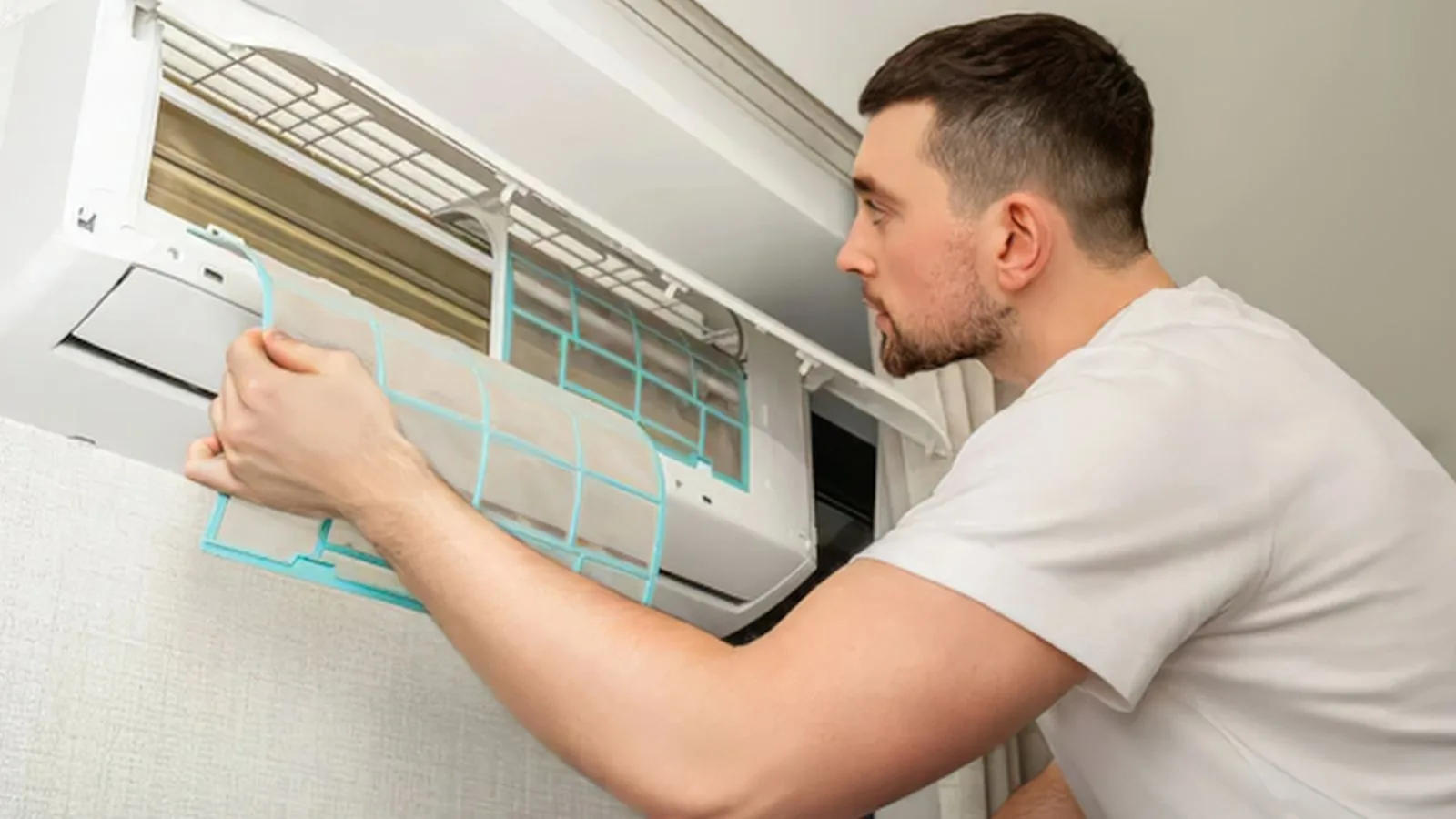
If you can reach it safely, look for water in the pan. A technician clears a clogged line.
Protect the floor
Place towels and a bucket, and move items from under any drip.
Then call a licensed HVAC technician for the equipment and call this line for water damage. They are two different jobs.
When it is urgent
This page is not classed as an emergency service by default, because many AC leaks are slow. But if the ceiling is sagging, dripping steadily or the stain is growing, call the line any time. It is open 24/7.
Standing water in an attic can soak insulation and ceiling drywall in a single weekend if the AC runs continuously.
AC leak damage by location
The air handler location shapes the damage.
| Air handler location | Usual damage | Repair focus |
|---|---|---|
| Attic | Ceiling stains, sagging drywall, wet insulation | Ceiling repair and insulation replacement. |
| Closet | Closet floor, adjacent wall base | Baseboard and drywall drying. |
| Garage | Slab and shared wall base | Extraction and wall drying. |
| Window or wall unit | Wall stains and floor | Wall drywall repair. |
When a damp ceiling turns into a mold question
Moisture that stays in drywall and insulation for days gives mold a place to start. The U.S. Environmental Protection Agency advises drying wet materials within 24 to 48 hours to prevent mold growth, and an AC leak that runs overnight, or all weekend, can pass that window before anyone notices.
If you see dark spotting on the ceiling or smell mustiness near a vent, treat it as a moisture problem first. The leak has to be fixed, the wet material dried or removed, and then any mold handled to the S520 standard. Health questions belong to a physician.
Ceiling or wall wet from the AC?
Call and describe it. A dispatcher will help you plan.
What drives AC leak water damage costs
The AC repair is separate. The water damage repair depends on:
- DurationLong-running leaks wet more.
- MaterialsDrywall, insulation and flooring.
- Mold riskPersistent moisture can lead to a mold issue. See the mold remediation page.
- AccessAttic work takes more time.
- Finish workTexture and paint.
Insurance may cover a sudden AC water loss but often excludes damage from long-term leaks or lack of maintenance. Check your policy and ask your insurer. We explain scope and price before work starts.
Where AC water ends up
Condensate water rarely stays at the air handler. It runs into ceilings, which the ceiling water damage page explains, into walls, covered on the wall and drywall page, and into insulation and framing that need structural drying. A dark spot that returns after drying is explained on the mold remediation page.
AC leak questions in Dunedin
Sometimes, depending on whether it was sudden and what your policy says. Ask your insurer.
Regular HVAC service that clears the condensate line and a float switch that shuts the unit off when the pan fills are common protections.
Condensate is not drinking water and can carry algae. Treat wet materials as needing cleaning and drying.
After drying, stained drywall can be primed and repainted, or replaced if damaged.
No. Call a licensed HVAC technician. We handle the water damage.
Humid summers and AC loads in Dunedin
Pinellas County summers are humid, and air conditioners run for months. That puts a steady load on condensate lines in homes from the Historic Southside to Curlew.
If you hear gurgling or see rust at the drain pan, ask your HVAC company to inspect the line before the next hot season.