

What this page covers
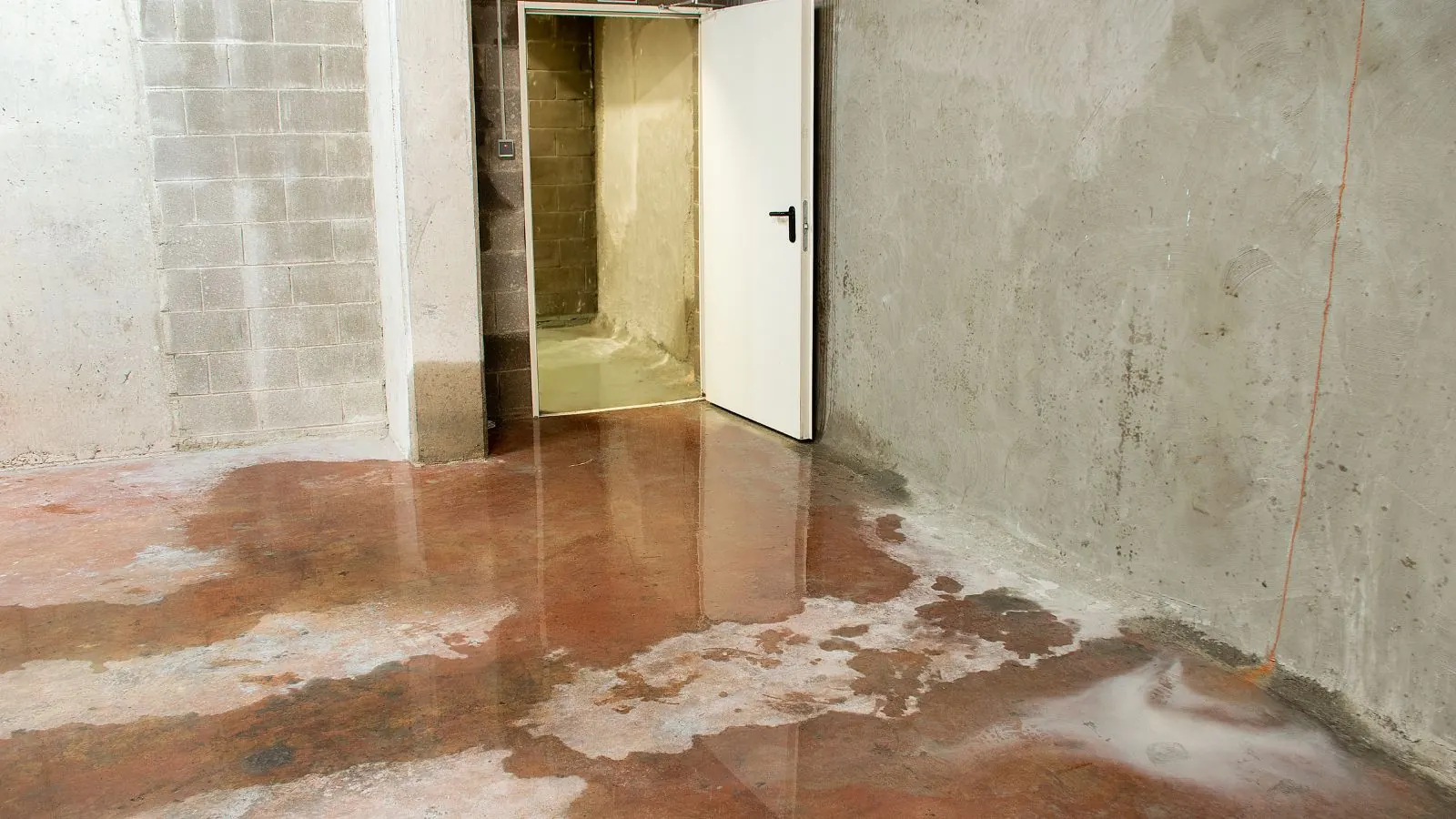
Basement water damage is water in a below-grade room, whether that is a full basement, a partial lower level, a sunken room or a below-grade garage. The causes are a failed sump pump, groundwater seepage, a drain backup or a leak from above.
If your property has no below-grade space, you can skip this page. Most homes in the Tampa Bay area are built at or above grade, so a lower-level loss is the exception. Check which applies to your property.
When basement water is an emergency
Standing water in a lower level is an emergency. It can reach outlets, stored items and the home's mechanical equipment. Below-grade water is also harder to remove because it can only be pumped out at the rate the surrounding ground allows.
Stay out of the room if power is on. Call the utility or 911 for electrical or gas risk first, then call this line. It is open 24/7.
Before help arrives
Safety comes first.
Do not enter standing water
Power may be energized. Wait for confirmation that power is off.
Stop the source
Close a supply valve if a line is leaking. A sump failure needs a plumber or pump technician.
Lift what you can
Move items upstairs if it is safe and dry.
Keep others away
Children and pets should not go into a flooded lower level.
Sump pumps, drains and what to check
If your lower level has a sump pump, the pump and its discharge line are the first things to check after a rain. A pump can fail from a power outage, a stuck float or a clogged line. Backup pumps and battery systems exist, and a plumber or pump technician can advise on them.
If the water came up through a floor drain, the problem may be a blocked line or a sewer main issue. That changes the water category, and the sewage backup cleanup page covers the extra safety steps.
Finished lower levels and stored belongings
A finished lower level adds drywall, carpet, trim and furniture to the loss. Stored boxes, paper and fabric soak up water quickly and often cannot be saved. Photograph them before you move them, and keep a list for your insurer.
Items worth drying quickly include photographs, important papers, and electronics that were not powered. Do not turn electronics on after they have been wet. Take them to a technician.
Water in a lower level?
Call now. The line answers 24/7.
Sources of basement water
The source decides the cleanup.
| Source | Water category | Notes |
|---|---|---|
| Failed sump pump | Often Category 2 or 3 | Groundwater can carry contamination. |
| Plumbing leak | Category 1 | Clean at first. |
| Sewer or drain backup | Category 3 | See sewage backup cleanup. |
| Rising groundwater | Category 2 or 3 | Check flood zone and drainage. |
Restoration is not waterproofing
A caller will sometimes ask for waterproofing or foundation repair. That is a different trade. Restoration removes water and dries what got wet. It does not stop groundwater from coming back.
If the water returns, a drainage or foundation contractor can look at the cause. A restoration company that tells you otherwise is overstating what restoration can do.
What drives basement cleanup costs
Below-grade jobs vary.
- Water depthDeep water needs more pumping.
- Water categoryContaminated water needs protection and disposal.
- Finished spaceDrywall, carpet and furniture add to scope.
- Drying timeConcrete dries slowly.
- Source repairThe sump or drain repair is separate.
Insurance often treats sudden flooding differently from water backup or seepage. Flood damage usually needs separate flood coverage. Check your policy and ask your insurer. We explain scope and price before work starts.
Related pages for a wet lower level
Water in a lower level may come from outside, which the flood damage page explains, or from a failed line, covered on the burst pipe page. Once the standing water is out, the structural drying page explains how the structure is dried.
Standards and references
The ANSI/IICRC S500 standard guides drying goals and water categories, and groundwater entering a basement is treated more cautiously than a clean supply line. For flood zones, the City of Dunedin floodplain page links to the FEMA Flood Map Service Center, a reference worth checking for your address.
Basement water questions in Dunedin
Yes. The line is open 24/7. Call from a safe place.
Some properties have below-grade space. Many do not. This page applies if yours does.
No. Restoration is not waterproofing. A drainage or foundation contractor handles that.
It can take longer than wood or drywall. Readings show when it is dry.
Treat it as possibly contaminated until proven otherwise.
Below-grade rooms in Dunedin
Dunedin's closeness to the Gulf and its high water table in low areas mean below-grade rooms should be checked against the FEMA flood zone for the address. The City of Dunedin links to the FEMA Flood Map Service Center on its floodplain page.
If your property is in a flood zone, ask the city building department how repair rules apply.