

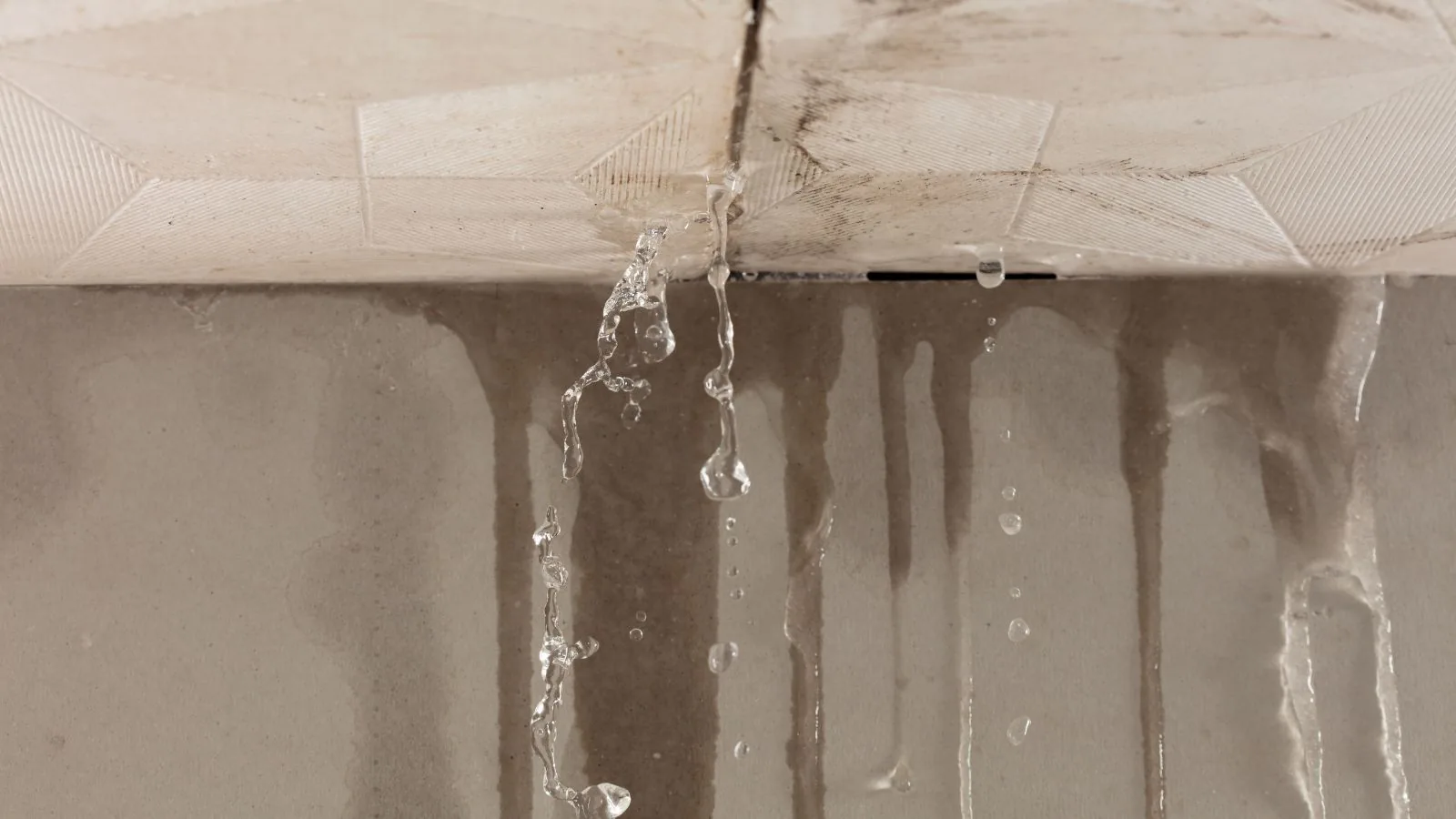
What storm water damage covers
Storm water damage is water that enters through the building shell during a storm. That includes wind-driven rain through damaged shingles, broken windows, failed flashing or a gap around a door. The water arrives from above and from the sides.
This page is about weather that gets through the roof and walls. Rising water from outside is covered on the flood damage cleanup page, and a single roof leak is on the ceiling water damage page.
When storm water is an emergency
If water is entering now or is still pooled inside, treat it as an emergency. Atlantic hurricane season runs from June 1 to November 30, according to the National Hurricane Center, and Tampa Bay sees heavy rain at other times too. Water that sits in insulation and drywall for days leads to larger repairs.
After the storm passes and it is safe, tarp or cover openings if you can, then call. The line is open 24/7, including during a storm recovery.
After the storm
Do these in order, as conditions allow.
Check safety
Stay away from downed power lines and standing water that might be energized.
Cover openings
A roofer or temporary covering protects the building from more rain.
Remove what you can
Move wet contents to a dry area and lift items off wet floors.
Document
Photograph all damage before cleanup for your insurer.
Hidden storm water: attics, wall cavities and insulation
Wind-driven rain does not always leave a puddle. It can enter an attic edge, run down inside a wall and soak insulation, with the only outside sign being a faint stain days later. Fiberglass insulation holds water against drywall and framing, and wet cellulose can sag and stay wet for a long time.
After a storm, look at the ceiling corners, the tops of exterior walls and the area around windows. If you see a stain, bubbling paint or a damp smell, ask for a moisture reading before you repaint. Hidden storm water is the usual path to a mold problem later.
Rain got in during the storm?
Call the 24/7 line and describe where it entered.
Where storm water gets in
Common entry points and what they wet.
| Entry point | What gets wet | Check |
|---|---|---|
| Roof covering | Ceilings, attic insulation | Ceiling stains and sagging. |
| Windows and doors | Walls, flooring near openings | Baseboards and sills. |
| Siding and wall gaps | Wall cavities | Moisture behind drywall. |
| Soffits and gutters | Eaves, ceilings near exterior walls | Stains along upper walls. |
Cleanup and drying after a storm
Crews extract water, remove soaked insulation and drywall that cannot dry, and set air movers and dehumidifiers. Wind-driven rain is usually clean water at first, but if storm surge or drainage water is involved, the contamination steps apply.
Drying is described on the structural drying page, and if drywall or walls need repair the wall and drywall repair page covers it.
What shapes storm water cleanup costs
Storm losses range from small to large.
- Entry point and spreadOne room versus a whole floor.
- Water sourceRain versus surge or drainage water.
- MaterialsInsulation, drywall and flooring.
- Drying timeBased on readings.
- RepairsRoof and window repair is separate.
Windstorm and flood are handled differently by insurers. Many Florida policies have separate deductibles for named storms, and flood damage is usually excluded unless you have flood coverage. Check your policy and ask your insurer.
Local pages for storm cleanup
Storm water reaches homes in different ways across the city. See the Baywood Shores and Dunedin Isles pages for neighborhood notes.
Storm water damage questions in Dunedin
Yes. The line is open 24/7, including after a storm.
Cover openings if it is safe, since more rain adds to the damage. A roofer can tarp the roof.
Rainwater is usually cleaner than flood or sewage water, but it picks up contamination as it passes through insulation and building materials.
It depends on the work. The City of Dunedin has storm recovery permitting information on its Permits and Inspections page. Ask the building department.
Check the FEMA Flood Map Service Center for your address. Flood damage may be treated differently from wind-driven rain.
Storm recovery in Dunedin
In October 2024, the City of Dunedin began assessing damaged structures as part of FEMA requirements during storm recovery. The city has since said that building permits were issued to repair or replace most flood-damaged structures.
If your property needs structural repairs after a storm, ask the city building department what permit, if any, applies. The city's Permits and Inspections page lists storm recovery information.