

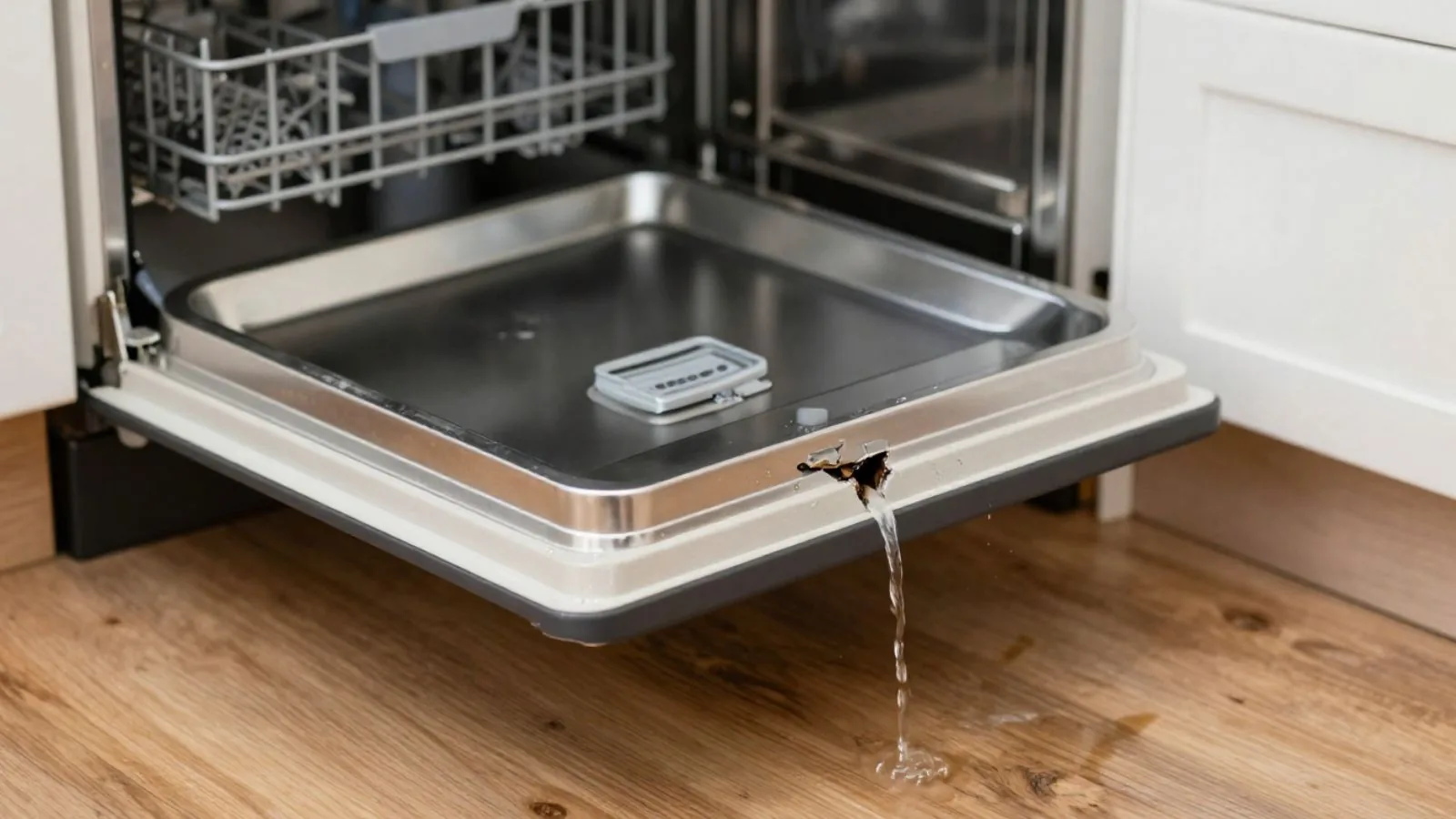
Safety comes before saving the device
If water is near outlets, cords, a power strip or the electrical panel, the first concern is you. Do not step into standing water if you think power is on. Do not touch a wet appliance that is plugged in. Cut power only if you can reach the panel while standing on dry ground.
For sparking, a burning smell, a gas smell or a submerged panel, call 911 or the utility first. After that, call the 24/7 line for water removal.
Unplug first, if it is safe
Unplug wet electronics only if the outlet and the floor around it are dry and you can do it safely. If the outlet is wet or the floor is under water, leave it alone and turn off the circuit at the panel if you can reach it safely.
Never use a wet device to test whether it still works. Powering on a device that has water inside can short circuit it, damage it permanently and create a fire risk.
What to do with wet items
A general guide.
| Item | Safe first step | What to avoid |
|---|---|---|
| Phone or tablet | Power off, remove case, keep dry in open air | Charging it or using rice as a fix. |
| Laptop | Power off, unplug, remove battery if possible | Opening and turning it on. |
| TV or computer monitor | Unplug if safe, leave it dry | Turning it on to check. |
| Power strip or extension cord | Discard if it got wet | Reusing it. |
| Large appliance | Turn off at the breaker, call a technician | Running it to test. |
Why drying a device is not enough
Water can leave residue and corrosion inside circuit boards, and corrosion continues after the surface dries. A device that turns on today may fail next week. Consider having valuable devices looked at by a repair technician before you power them.
Back up data from any drive that survived, and keep wet hard drives away from heat. A data recovery technician is the right call for irreplaceable files.
Outlets, switches and wiring
Outlets, switches and fixtures that were soaked should be checked by a licensed electrician before they are used. Water can leave contamination inside boxes and wiring, and the problem is not always visible.
The same applies to the panel. If water reached the panel, call the utility and a licensed electrician before restoring power. Restoration crews work around power safely, but they do not replace an electrician.
Document what got wet
Photograph wet devices and keep a list with models and approximate purchase information. Your insurer may ask for it. Do not throw away items before documenting them, unless they are hazards.
Check your policy and ask your insurer about contents coverage, since it differs from coverage for the building.
Why wet electronics are dangerous
Water on or near electrical equipment can cause shock or fire. Even if the device looks fine, wet circuits can short out when powered. The safe order is to stop power first, then remove the device from the water once it is safe to touch.
If you cannot reach an outlet without stepping in water, do not try. Shut off power at the main breaker if you can do so while standing on dry ground, or call an electrician.
Phones, laptops and small devices
Power the device off, remove the case and battery if it can be removed and wipe the outside. Do not charge it. Do not use a hair dryer. Rice is not a reliable fix. Leave it in a dry place with airflow and ask a repair shop whether it can be saved.
Back up data as soon as the device is repaired or replaced, since wet storage can fail without warning.
Large appliances and wiring
Appliances that sat in water, like refrigerators, washers or HVAC equipment, should be checked by a qualified technician before they are used again. Outlets, breakers and wiring that were wet may also need inspection.
Photograph everything for your insurance claim before moving or discarding items. Ask your insurer what it needs.
What this means in Dunedin
Pinellas County sees heavy rain and tropical storms, and after a storm, standing water near outlets is a real risk. The City of Dunedin has hurricane and tropical storm information on its website, and the City's Permits and Inspections page has storm recovery fact sheets for repairs.
If your electrical needs repair after water, ask the City of Dunedin building department whether a permit applies. Homes in Clearwater fall under the City of Clearwater, and the service area page explains the difference.
Dry the room as well as the device
Saving a device does little if the room stays wet. The water extraction page explains how standing water is removed, and the structural drying page explains how walls and floors are dried afterward.
Standards and references
Drying practice for the building follows the published ANSI/IICRC S500 standard. For electrical equipment, a licensed electrician makes the call on whether wet wiring is safe.
Wet electronics questions in Dunedin
Rice does not remove water from inside a device. Power it off, keep it in open air and have a technician look at it.
Only if you can reach the panel while standing on dry ground. Otherwise, call the utility or 911 first.
No. Discard any cord or power strip that got wet.
After the area is dry and a licensed electrician has checked outlets and wiring that got wet.
Stay away and call the utility and 911. Do not touch the panel.