

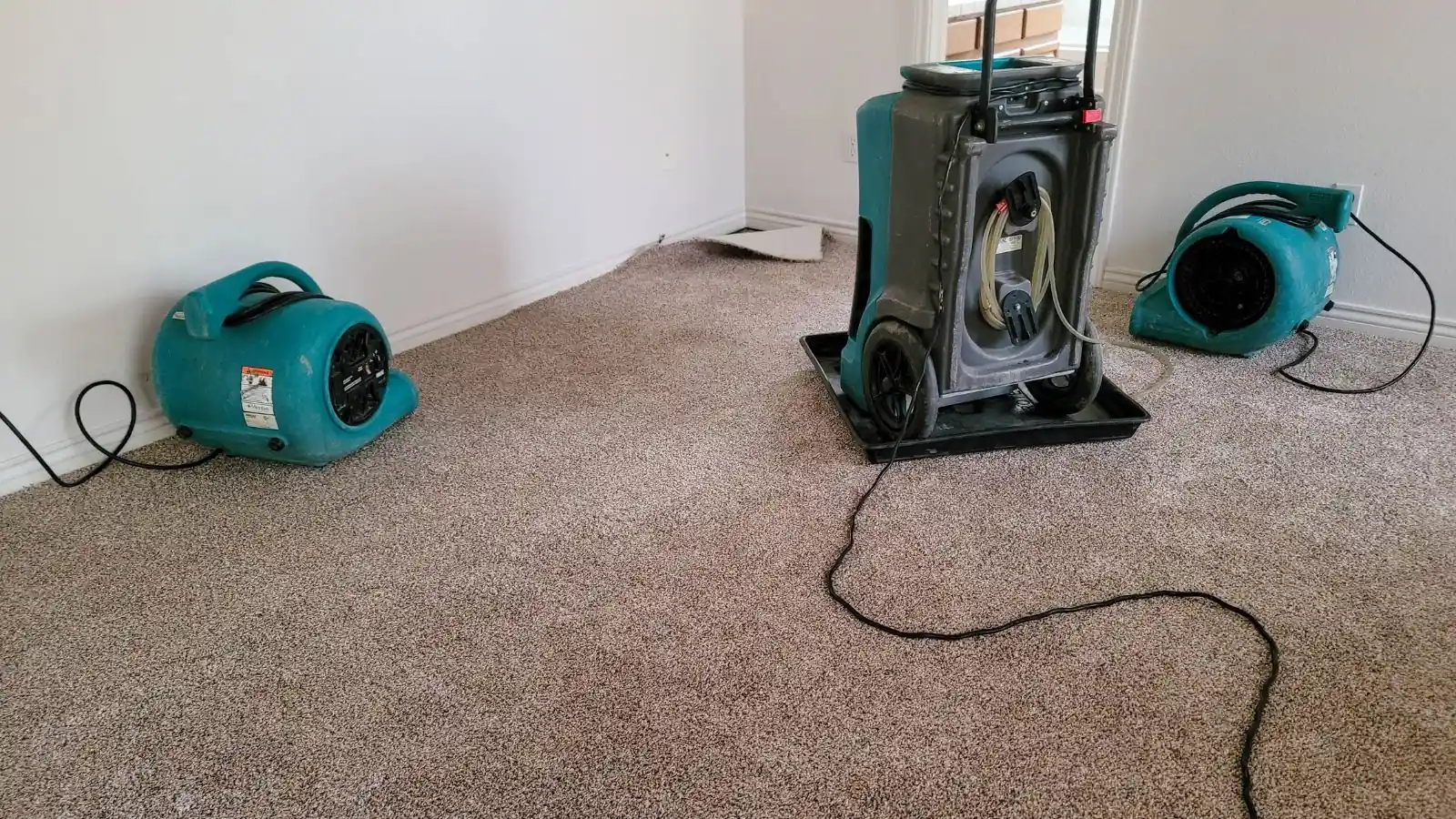
What a scope of work is
A scope of work lists the tasks a crew will carry out, the areas where they will do them and the materials and equipment involved. It is different from an estimate, which attaches prices. The scope is the plan, and the estimate is the cost of the plan.
Reading it carefully protects you. If a task is not listed, it is not part of the job, and if a room is not listed, it may not be dried.
Typical sections
Most scopes follow this shape.
| Section | What it describes | Question to ask |
|---|---|---|
| Loss description | Source, date and category of water | Does it match what happened? |
| Affected areas | Rooms and materials | Are all wet rooms listed? |
| Mitigation tasks | Extraction, removal, cleaning | What is being removed and why? |
| Drying plan | Equipment and monitoring | How will dry be measured? |
| Exclusions | Work not included | Who handles it? |
| Documentation | Photos and readings | Will I get copies? |
Readings and drying goals
The scope should say how drying will be monitored. Moisture readings are taken in several places on each visit and compared to dry reference values. If drying goals are missing, ask what the crew will use to decide when to remove equipment.
Ask for a copy of the readings at the end. They help with your claim and show the structure was dried. The industry standard ANSI/IICRC S500 describes how drying goals are set.
What gets removed and why
Scopes often list materials to be removed, such as wet pad, insulation or drywall cut out above the water line. Each should have a reason, such as contamination or damage that cannot be dried. If something is removed that looks fine, ask for the moisture reading that led to it.
The wall and drywall page explains why wet drywall is often cut out.
Exclusions and what comes after
Exclusions are not bad, but they must be clear. Rebuild, plumbing repair, roof repair and contents cleaning are often excluded from a mitigation scope. Each of those needs someone responsible. Ask who will do it and how the two scopes connect.
If the scope says things like as needed or additional work may be required, ask what triggers more work and how you would be told before it begins.
Changes during the job
Scopes change if the crew finds wet areas that were not visible at first. A good company tells you before doing extra work and explains why. Ask for changes in writing, and ask how they affect the price.
We explain scope and price before work starts. We do not promise how an insurer will respond to any line of a scope.
A worked example in plain words
Picture a kitchen supply line that failed overnight. A scope might list the source, a clean water category, and the kitchen and adjoining hallway. It would then list extraction with a portable unit, removal of wet baseboards and lower drywall, and antimicrobial treatment. Last come a drying setup with air movers and dehumidification, and daily readings until dry.
It would also say what is not included: cabinet replacement, flooring install, paint and plumbing repair. Reading it that way, you know what the crew does and what you still need to plan.
Spotting vague language
Phrases like as needed, if necessary and to be determined are not wrong, but they should have an owner and a trigger. As needed by whom, based on what reading, and approved by whom? A scope that leaves those blanks open leaves room for surprises.
Ask for the open items to be listed separately. That way you can see at a glance what might change the plan.
Keeping the scope honest
Take your own photos on day one and keep them. If the scope says a wall was wet and your photo shows a dry wall, ask about it. If a room is missing and you saw water there, say so right away.
Review the scope when equipment is removed. Ask for the final readings and a short summary of what was done. A closed scope is easier to hand to an insurer, a buyer or the next contractor.
Keep your own copy and checklist
Print or save the scope and tick off each item as it is completed. Compare the daily notes with the scope. If a task is skipped, ask why and ask for it in writing.
At the end, check that the final readings, photos and invoices match the scope. A closed scope with matching papers is the best record you can have.
What this means in Dunedin
Humidity affects drying in Dunedin, so a scope should include dehumidification, not just fans. If the work changes the structure, ask the City of Dunedin building department whether a permit applies, using the city's Permits and Inspections page.
For Clearwater properties, the City of Clearwater's Planning and Development department handles permits. The service area page explains the difference.
Safety steps before the crew starts
Make sure the water source is off, keep children and pets out of wet rooms and avoid outlets near water. Tell the crew about any known hazards, such as old materials or sewage.
The published ANSI/IICRC S500 standard guides the scope, and the readings in it are your proof of dry.
Scope of work questions in Dunedin
No. A scope lists tasks. A contract states terms. Read both.
Yes, if more wet areas are found. Ask for changes in writing.
Ask for moisture readings in that room and ask to have it added.
Often not. Ask directly.
Ask the company to give you a copy and keep your own photos.