

An estimate is a plan, not just a price
People often compare water damage estimates by the bottom line. A better way is to compare what each estimate says will happen. Two numbers can look far apart because one includes only extraction and the other includes drying, removal and cleaning.
A good estimate says where the water came from, what category it is, which rooms and materials are included, which work will be done and which will not.
What to look for
Check each of these.
| Item | What it should say | Why it matters |
|---|---|---|
| Water category and class | Category 1, 2 or 3 and the loss class | Sets safety steps and drying plan. |
| Areas and materials | Rooms, square footage and materials | Lets you compare scopes. |
| Extraction | Method and equipment | Shows how water will be removed. |
| Drying | Equipment and expected days, with readings | Dry is measured, not guessed. |
| Removal and disposal | What is removed and why | Wet pad and drywall are often removed. |
| Exclusions | What is not included | Rebuild is often separate. |
Equipment and drying days
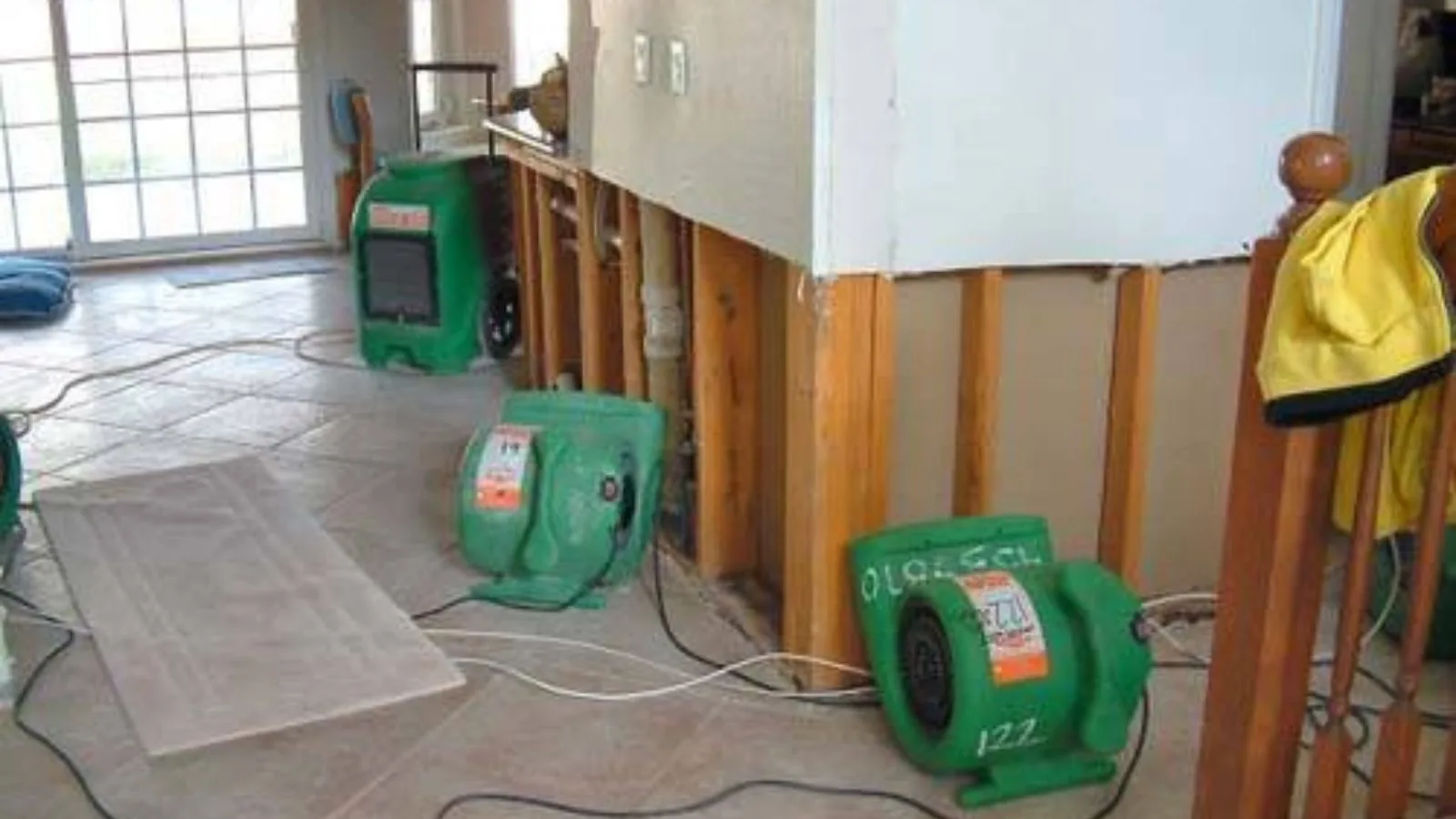
The estimate should name the equipment, such as air movers, LGR dehumidifiers and moisture meters, and explain how days are counted. Drying time is estimated at first and confirmed by readings. A fixed price with no link to readings can mean the crew leaves before the structure is dry.
The structural drying page explains the equipment and the readings.
Mitigation versus rebuild
Many estimates separate emergency mitigation from repair and rebuild. Mitigation includes extraction, removal of wet materials and drying. Rebuild includes new drywall, flooring, cabinets and paint. If the estimate includes only one, ask who handles the other and how the two connect.
Insurance often handles the two differently. Check your policy and ask your insurer.
Red flags
Be careful with an estimate that has one lump sum, no named equipment, no mention of readings or no exclusions. Be careful with pressure to sign immediately, a promise that the insurer will approve everything, or a number given before anyone has seen the water.
We explain the scope and price before work starts and do not promise how an insurer will respond.
Estimate paperwork for insurance
If you file a claim, the insurer may write its own estimate. It can differ from a restoration company's estimate, because each reflects different scopes and pricing. The Florida Department of Financial Services publishes a Homeowner Claims Bill of Rights guide for people filing claims. Read it, and ask your insurer about timing and documentation.
Keep your photos, readings and written scope in one place.
Why estimates change
Water behaves in ways that are hard to see. It moves along framing, under flooring and behind baseboards. A first estimate is based on what can be seen and measured on arrival. As walls are opened and readings are taken, the scope can grow or shrink.
A company that explains this up front is easier to trust than one that treats the first number as final. Ask what would cause the estimate to change, and how you would be told before extra work begins.
Questions that sharpen an estimate
Ask which rooms are included and which are not. Ask what happens to wet carpet pad, baseboards and insulation. Ask whether contents cleaning is included. Ask how many visits are expected for readings. Ask who removes the equipment and when.
Each answer should show up in writing. If an answer is we will see, ask what the crew will look at to decide.
Keeping the paperwork organized
Create one folder, paper or digital, for the estimate, scope, photos, readings, invoices and insurer messages. Add dates to everything. If you later need to explain the claim or the repair to a buyer, a lender or an adjuster, the folder saves hours.
Do not throw out damaged materials until your insurer has had a chance to see them or has told you it is fine to dispose of them. Photos help, but ask first.
Comparing two estimates side by side
Put the two estimates in columns. List extraction, equipment, removal, cleaning, drying days, monitoring, disposal and repair. Mark what each includes. Gaps become obvious, and so do overlaps.
If one estimate is much higher or lower, ask that company to explain the difference line by line. The explanation is more useful than the number.
What this means in Dunedin
Repairs that change the structure may need a permit. The City of Dunedin has a Permits and Inspections page, with storm recovery fact sheets, and the building department can say what applies to your address. If your property is in a flood zone, the FEMA 50 percent rule described on the city's floodplain page can matter when repair costs are high.
For Clearwater properties, see the Clearwater page, and the service area page covers nearby towns.
Standards behind a good estimate
A scope that names the published ANSI/IICRC S500 standard, shows water categories and states how drying will be measured is easier to compare than one that gives only a total.
Water damage estimate questions in Dunedin
Not a reliable one. The dispatcher can explain how scope and price are set, and a crew assesses on site.
Not by itself. Compare scopes and exclusions.
Insurers and restoration companies estimate differently and may include different scopes. Ask each to explain the gap.
It can help when the job is large and not urgent. For active water, do not delay mitigation.
Ask whether permits are needed and who obtains them. Ask the City of Dunedin building department for rules.