

Tell the landlord in writing, then protect the unit
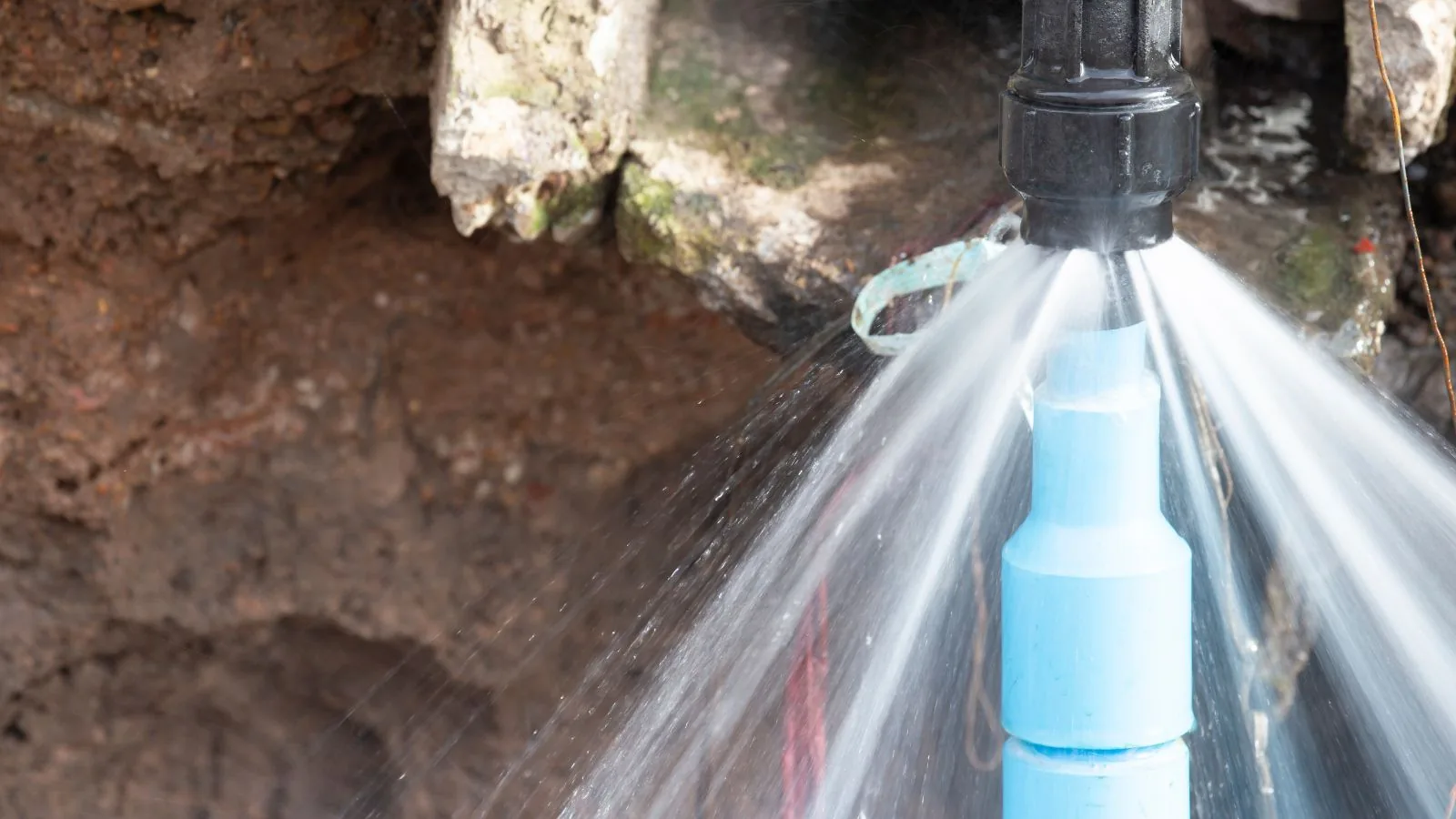
If you rent and water is coming in, notify the landlord or property manager right away, and put it in writing with photos so there is a record. If water is actively flowing from a pipe, shut off the supply if you can do so safely, and keep your belongings out of the water.
This page is general information and not legal advice. Florida landlord and tenant rules have specific notice and repair provisions, so read them or ask an attorney.
What tenants should document
Take dated photos and video of the source, the wet areas and damaged belongings. Keep copies of messages to the landlord and any replies. Save receipts for hotel stays, repairs you paid for and replaced items. List damaged belongings with approximate values.
Renters insurance, if you have it, may cover personal belongings. The landlord's policy generally covers the building. Check your policy and ask your insurer.
Who usually handles what
This varies by lease and policy.
| Item | Usually handled by | Check |
|---|---|---|
| Stopping a building leak | Landlord or manager | Your lease. |
| Drying the structure | Landlord or manager | Who hires the crew. |
| Tenant belongings | Tenant's renters insurance | Your policy. |
| Temporary housing | Depends on lease and policy | Ask in writing. |
| Mold in the unit | Landlord, with possible assessment | Lease and state rules. |
What landlords should do
Stop the source and arrange extraction and drying quickly. Damp drywall and flooring can grow mold in a short time, and delay raises repair cost and tenant risk. Document the loss, the readings and the repairs. Tell your insurer promptly and ask what it needs.
The structural drying page explains what a proper drying job includes.
Mold in a rental
If mold appears after a leak, tell the landlord in writing. For small areas the EPA guide says homeowners can clean surfaces under about 10 square feet themselves, but a rental has different responsibilities, so ask before touching anything. The mold remediation page covers larger jobs.
Florida licenses individual mold assessors and remediators through the Department of Business and Professional Regulation. Ask who is doing the work.
Disputes
If you and the landlord disagree about repairs or rent, talk to a Florida attorney or a local legal aid office. We cannot advise on lease disputes, and we do not take sides.
We can say what the water damage is and how it should be dried.
Communication that protects both sides
Use text or email so there is a time stamp. State what you see, when you noticed it and what you did. Attach photos. Avoid blame, since the goal is quick action. Ask for a response time and follow up if you do not hear back.
Landlords benefit from the same discipline. A written reply with a plan and a date for the crew keeps everyone informed and shows good faith.
Belongings, hotel stays and downtime
Tenants often ask about hotel costs and lost belongings. The answers depend on the lease, the cause of the loss and the insurance involved. Do not assume. Ask in writing, keep receipts and read your renters policy for loss of use coverage.
If the unit is unsafe, take reasonable steps to protect yourself and your belongings and tell the landlord what you did. Do not skip safety to save a receipt.
After the water is gone
Once drying is complete, ask for the moisture readings or at least a statement that the unit has been dried. Check for musty smells and soft spots over the next few weeks. If symptoms like coughing, irritation or odor appear, tell the landlord in writing.
Keep your documentation for the rest of the lease and until any deposit questions are settled.
Small steps that prevent bigger problems
Tenants can report small leaks and stains early, run exhaust fans and keep furniture off wet floors. Landlords can respond quickly, document repairs and check units after storms.
Early reports are the easiest to fix. A drip reported on day one is a plumbing visit. The same drip ignored for a month can become a mold and drywall job.
Both sides benefit from a simple habit: write down what was agreed. After a call, send a short message that says what was discussed and what happens next. Written follow-ups reduce arguments later about who said what, and they help insurers see a clear timeline of the loss.
What this means in Dunedin
Many Dunedin rentals sit near the Gulf, and some are in flood zones, which the City of Dunedin explains on its floodplain page. After storms, landlords may need permits for repairs, so the City of Dunedin Permits and Inspections page is a good place to ask. Renters should read their lease for storm and water clauses.
For Clearwater rentals see the Clearwater page, and the service area page covers nearby towns.
What to do first
Stay out of rooms where water is near outlets, shut off the supply if you can do it safely and tell the landlord in writing. Move belongings off wet floors.
The published ANSI/IICRC S500 standard is what restoration crews follow once they are called. Rental rules come from Florida law, so ask an attorney about disputes.
Water damage in a rental questions in Dunedin
Usually the landlord, but check your lease and policy.
It may. Check your policy and ask your insurer.
You can call for advice. Tell the landlord first, since they usually control the building.
Tell the landlord in writing and keep photos.
From a Florida attorney or local legal aid. We cannot give it.