

What a musty smell is telling you
A musty smell after a leak usually means moisture is still trapped somewhere, or that something stayed wet long enough to develop an odor. The smell comes from damp materials, and often from microbial growth on them. It is a clue, not a diagnosis.
Air fresheners, candles and ozone machines hide a smell but do not dry anything. The odor returns when humidity rises, which in Florida happens most days.
The usual hiding places
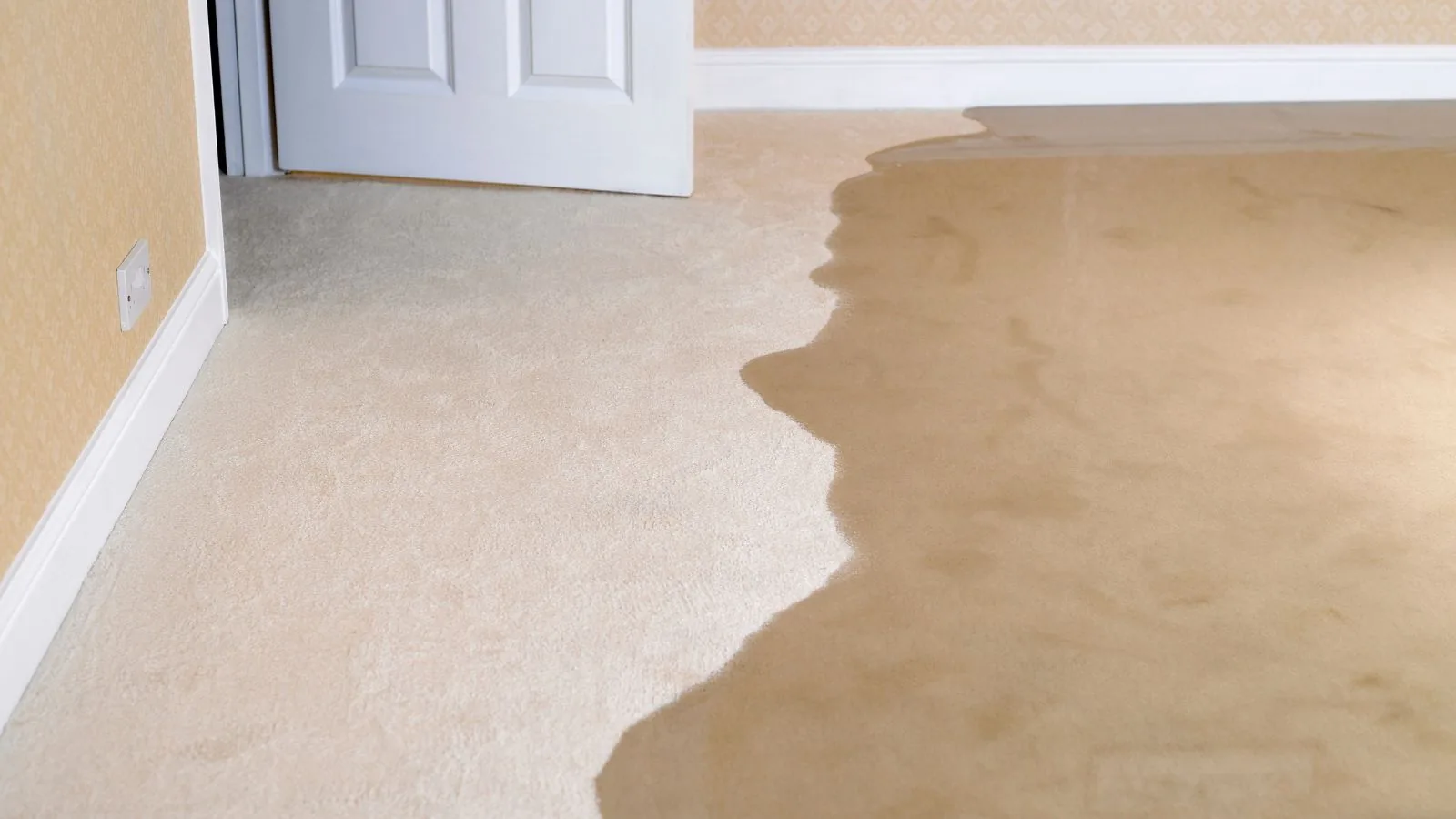
Carpet pad soaks water and holds it for a long time. Drywall holds water in the wall cavity behind a dry-looking surface. Insulation and wood framing hold moisture too. Cabinets, baseboards and the underside of flooring often stay wet after the top surface dries.
A small leak under a sink, a cracked condensate line above a closet or a past roof leak that was patched without drying can all leave a smell that appears months later.
Where the smell comes from
Match the smell to the likely location.
| Where the smell is strongest | Likely cause | Next step |
|---|---|---|
| Over carpet | Wet pad or subfloor | Lift an edge and check pad and tack strip. |
| Near a wall base | Wet drywall or baseboard | Moisture reading and a small inspection hole. |
| In a closet | Past leak or condensation | Check the AC line and exterior wall. |
| Near vents | Condensate or duct moisture | Have the HVAC checked. |
| Under a sink | Slow supply or drain leak | Dry the cabinet and fix the fitting. |
How the source is found
A moisture meter reads wetness in drywall, wood and concrete. A thermal camera shows cool, wet spots that the eye cannot see. Crews map the readings, mark the wet areas and revisit to confirm they are dry.
The structural drying page explains moisture mapping and the equipment. The U.S. Environmental Protection Agency advises drying wet materials within 24 to 48 hours to prevent mold growth, so the sooner the source is found, the better.
What clears the smell
The smell goes when the wet material is dried or removed. Wet carpet pad is often replaced, soaked insulation is removed and damp drywall may be cut out. Hard surfaces are cleaned and dried.
Lowering humidity helps too. Run the air conditioner, use a dehumidifier and keep windows closed during humid weather. If mold is present, the mold remediation page explains how it is handled.
When to call
Call if the smell is strong, if it returns after you clean, if a wall or floor feels damp or if you cannot find the source. Call the line at any hour if water is still moving. Health questions belong to a physician.
A written scope of what will be checked and dried helps you decide, and you can ask for readings to be shown to you.
Follow the smell
Smell is a clue, not a diagnosis. Walk through the home and note where it is strongest. Check under sinks, behind appliances, in closets on exterior walls and near air handlers. A musty odor that gets stronger when the air conditioner starts can point to moisture in the ducts or the air handler pan.
Take notes and photos. They help a professional narrow the search quickly.
What not to do
Do not cover the smell with sprays or candles and call it fixed. Do not paint over suspect areas. The EPA guide says mold must be removed, not covered, and that bleach is not routinely recommended. Never mix bleach with ammonia.
Do not tear out large areas on a hunch. Check moisture first. A reading often shows where the problem is.
Humidity and health questions
Health questions belong to a physician. For the home, keep humidity down with air conditioning or a dehumidifier while the cause is addressed.
A smell that does not go away after the area is dry deserves a closer look by a mold professional.
Keeping the smell from coming back
After the cause is fixed, keep indoor humidity steady. Run the air conditioner, use a dehumidifier in damp rooms and make sure bathroom and kitchen fans work. Check the areas that smelled over the next few weeks.
If the odor returns, tell the professional who dried the area. A returning smell often means a wet spot was missed.
What this means in Dunedin
Dunedin's humidity means a damp smell can come back after every rainy week if moisture is still in the building. Homes near the water, such as those along Edgewater Drive, see this more, because outdoor air is moist for much of the year.
If your home is in Clearwater, see the Clearwater page, and the service area page covers the rest of the area.
Standards behind this page
The EPA guide to mold and the published ANSI/IICRC S520 standard both treat moisture as the cause to fix first. That is why this page sends you to find water before you clean.
Musty smell questions in Dunedin
Not always. It can come from damp materials or microbial growth. A moisture reading and an inspection show what is going on.
It lowers humidity and helps, but it does not remove wet carpet pad, soaked insulation or mold on materials.
Humidity rises and moisture trapped in materials is released into the air.
They can change how a smell registers but do not dry anything. Fix the moisture first.
If the source is a leak, stop it and call a plumber or roofer. Then call us for drying and moisture checks.