

Why mold remediation prices vary so much
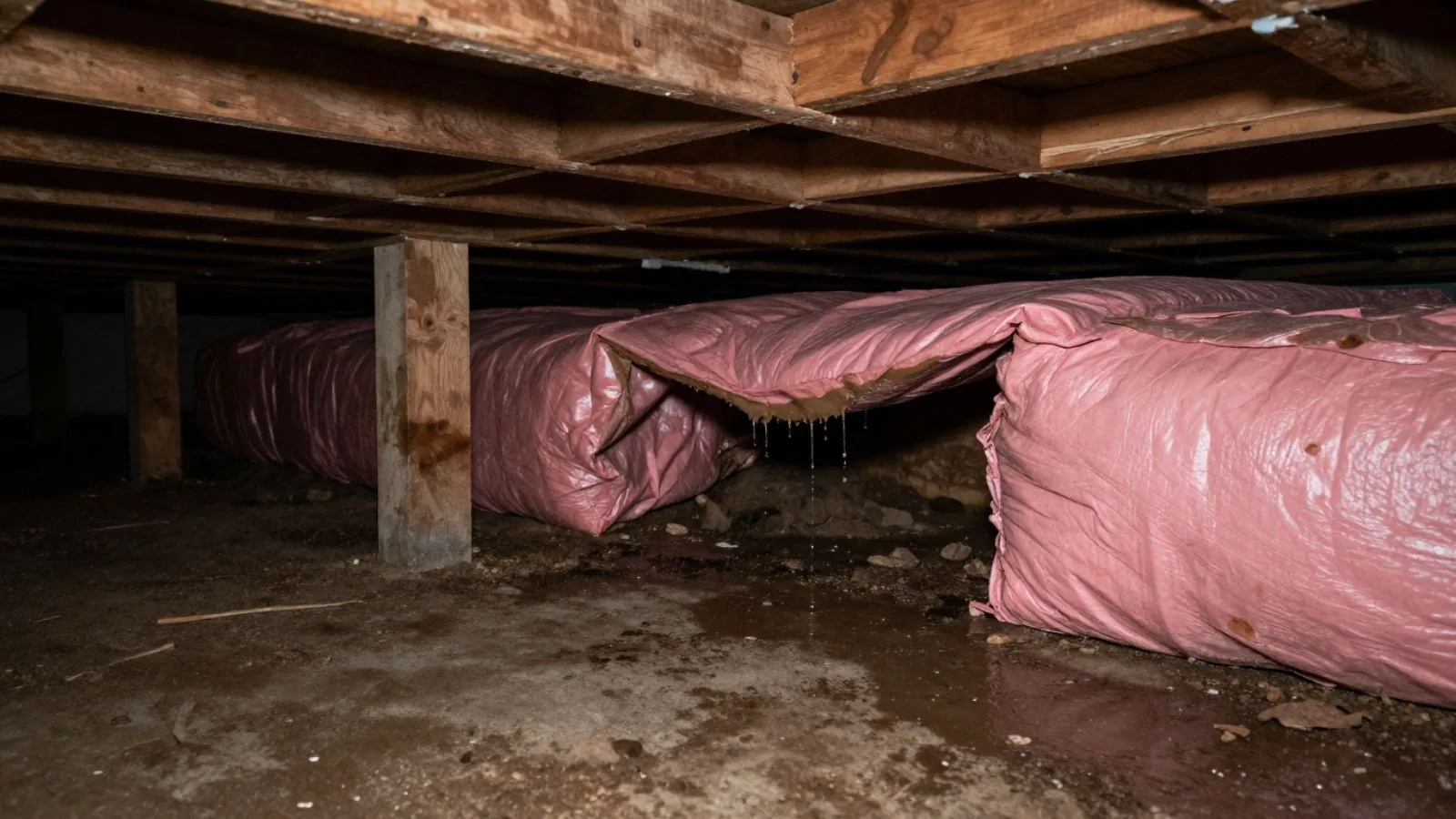
Two homes with a patch of mold on a wall can need very different work. One has a dry surface stain on tile. The other has wet insulation, softened drywall and a leak still running behind the wall. The first is a cleaning job and the second is a water damage and remediation job.
That is why this guide does not post numbers. Search results full of dollar figures often average very different jobs, and none of them apply to your wall. What helps is knowing which factors move the price, so you can compare quotes on the same terms.
The main cost factors
Each factor changes the scope of work.
| Factor | Why it matters | What to ask |
|---|---|---|
| Area affected | More mold means more removal and cleaning | How many square feet are included? |
| Materials | Drywall and insulation are removed, hard surfaces are cleaned | Which materials will be removed? |
| Containment | Barriers and negative air machines keep spores from spreading | What containment is planned? |
| Testing | Inspection and clearance testing are separate steps | Who does clearance testing? |
| Moisture source | A leak must be fixed first | Who repairs the source? |
Inspection, testing and clearance
Some quotes include an inspection and testing and some do not. An inspection finds the visible mold and the moisture that feeds it. Sampling can identify what is growing. Clearance testing, done after the work by someone independent of the remediation crew, confirms the area is ready to be rebuilt.
Florida licenses individuals as mold assessors and mold remediators under Chapter 468, Part XVI of the Florida Statutes, administered by the Department of Business and Professional Regulation. Ask who holds the license for the job you are being quoted.
Containment and what it adds
Professional mold remediation follows ANSI/IICRC S520, the published standard for mold remediation. It describes containment with plastic barriers, negative air pressure, HEPA filtration, removal of porous materials and cleaning with HEPA vacuums and damp wiping.
Containment is a large part of the labor, because it protects the rest of the house. A quote with no mention of containment for a large area is a reason to ask questions.
Moisture repair and rebuild are separate scopes
Fixing the source of the water is usually a plumber's, roofer's or HVAC technician's job and has its own price. Rebuilding removed drywall, trim, paint and flooring is another scope. A mold quote should say which of these it includes.
If you see one low price that bundles everything, ask for it in writing, itemized. A real scope names the areas, the materials, the containment and the testing.
Insurance and mold
Many homeowners policies limit mold coverage or cover it only when it follows a covered water loss. Gradual leaks and neglect are often excluded. Read your policy, ask your insurer, and report a loss promptly if your policy has a time limit.
We do not promise coverage. Keep photos, moisture readings and written scopes, since an insurer will ask for them.
What drives the scope of mold work
The size of the area, the type of material and whether the moisture source is fixed all shape the job. Mold on a hard surface like tile is simple. Mold inside a wall or under flooring means opening materials, containing dust and removing what cannot be cleaned.
Because those factors vary so much, no honest company quotes a number sight unseen. The most useful thing you can do on the phone is describe what you see and where the water came from.
Testing and assessment
Florida licenses individuals who assess mold and individuals who remediate it. Ask who will assess and who will remediate, and ask whether the two are separate. A written assessment can set the plan and give a way to confirm the work was done.
Be cautious about testing that is not tied to a plan. A lab report by itself does not tell you what to remove or where the moisture is coming from.
Keeping costs from growing
Fix the water source first, then dry the area. Mold returns where moisture stays. Early action keeps a small problem small. The EPA guide says mold can grow within 24 to 48 hours of water exposure, so prompt drying is the cheapest step.
Ask for the plan in writing, ask what would change the scope and ask how you will know the job is complete.
What this means in Dunedin
The City of Dunedin Water Division supplies water in the city, and your own plumbing is the likelier source of a leak behind a wall. In Pinellas County's humid climate, bathrooms, closets and air conditioner lines are the common starting points, and the AC leak page and the wall and drywall page cover two of them.
For homes in Clearwater, the Clearwater page explains the city offices to ask about permits, and the service area page shows the other towns covered.
What to do before you call
Stop the moisture source and do not disturb the mold. Photograph the area and note when the water event happened.
The EPA mold guide and the published ANSI/IICRC S520 standard are the references behind this page.
Mold remediation cost questions in Dunedin
Because the price depends on the area, the materials, the containment and the moisture source, none of which can be known without seeing the job.
No. Compare scopes. A lower price that skips containment, testing or removal of wet materials may not cover the same work.
Sometimes, if the mold follows a covered water loss, and many policies limit mold coverage. Check your policy and ask your insurer.
It is usually a separate cost. Ask who does it and confirm the person is independent of the remediation crew.
Yes. Mold returns if moisture remains. The plumber or roofer fixes the source, and then remediation follows.